Product details
1. Overview
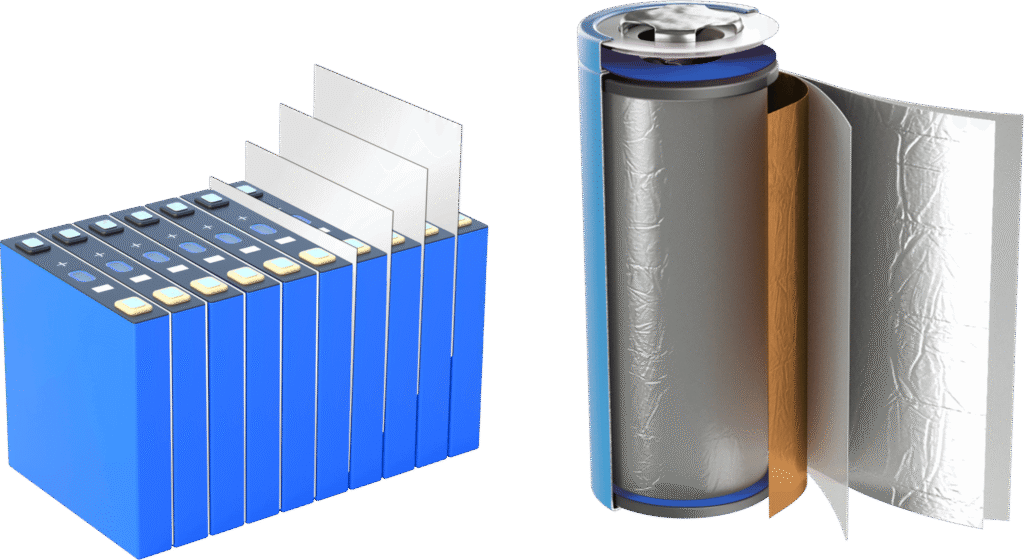
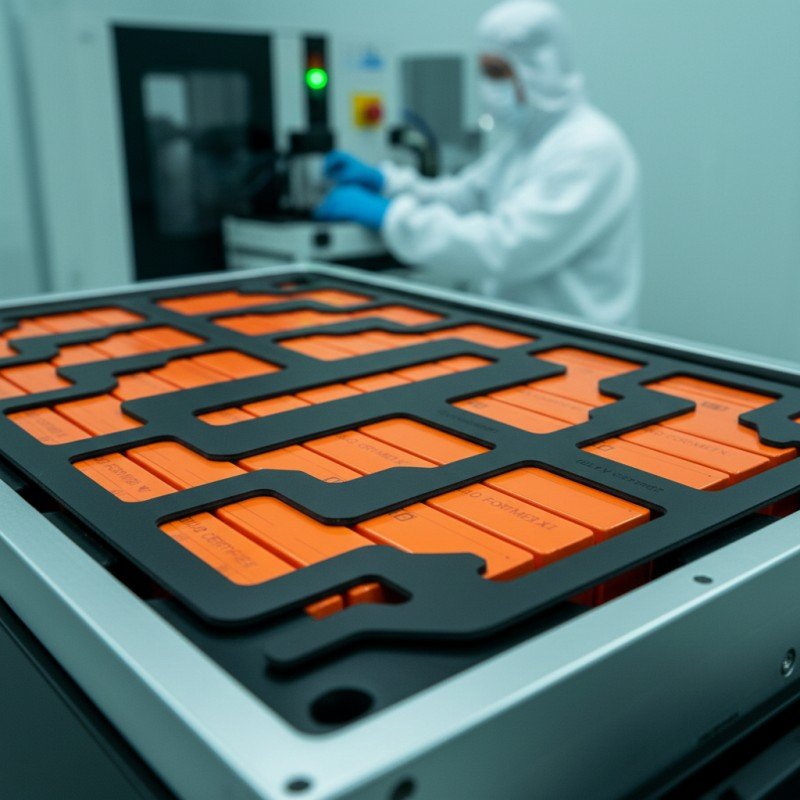
Cell-to-Cell Insulation is a critical component in modern battery systems, designed to provide safe and efficient separation between individual cells. It acts as a protective barrier that prevents electrical contact, reduces safety risks, and supports stable battery performance. This insulation is widely used in electric vehicles, energy storage systems, and advanced portable electronics where reliability and safety are essential.
2. Electrical Insulation Performance
The primary function of Cell-to-Cell Insulation is to deliver strong electrical isolation. It is manufactured using high-dielectric strength materials that effectively resist voltage stress and prevent short circuits between adjacent cells. This ensures safe operation even in high-voltage battery packs and demanding conditions.
3. Thermal Management Capabilities
In addition to electrical insulation, the product provides excellent thermal resistance. It minimizes heat transfer between cells, helping to maintain a balanced temperature across the battery pack. This significantly reduces the risk of thermal runaway, improving both safety and battery lifespan.
4. Safety and Flame Resistance
Safety is a top priority in battery design, and this insulation incorporates flame-retardant properties. In case of overheating or failure, it helps contain heat and slows down fire propagation. This makes it highly suitable for applications with strict safety requirements, such as automotive and industrial systems.
5. Material Durability and Chemical Resistance
Cell-to-Cell Insulation is engineered to withstand exposure to harsh battery chemicals, including electrolytes. Its durable composition ensures long-term performance without degradation. This reliability helps maintain insulation effectiveness over extended usage cycles.
6. Lightweight and Compact Design
The insulation features a thin and lightweight structure, enabling manufacturers to design compact battery packs with higher energy density. It allows closer spacing of cells while maintaining safety, contributing to more efficient use of space and improved overall system design.
7. Flexibility and Easy Integration
Its flexible design allows easy integration into various battery module configurations. Whether used in cylindrical, prismatic, or pouch cell designs, the insulation adapts seamlessly, simplifying the manufacturing and assembly process.
8. Mechanical Protection
Beyond insulation, the material provides cushioning that absorbs vibrations and mechanical shocks. This protects battery cells during operation and transportation, while also accommodating expansion and contraction during charge-discharge cycles.
9. Customization Options
Cell-to-Cell Insulation can be customized in terms of thickness, size, and material composition. This adaptability makes it suitable for a wide range of industries and specific application requirements, ensuring optimal performance in different environments.
10. Application Areas
This insulation is widely used in electric vehicles (EVs), renewable energy storage systems, consumer electronics, and industrial battery packs. Its ability to enhance safety, efficiency, and durability makes it a key component in next-generation energy solutions.
[pros_cons type="pros"]Enhances battery safety by preventing electrical short circuits between cells.||Reduces risk of thermal runaway through effective heat resistance and insulation.||Lightweight design supports higher energy density and compact battery configurations.||Durable and chemically resistant, ensuring long-term reliability in harsh environments.||Customizable to fit various battery designs and industrial applications.[/pros_cons]
[pros_cons type="cons"]High-quality materials may increase overall manufacturing costs for battery systems.||Requires precise installation to ensure optimal insulation and performance effectiveness.||May need customization, which can extend production and design timelines.||Limited effectiveness if used with poorly designed or damaged battery cells.||Advanced variants may not be readily available in all regions or markets.[/pros_cons]