Product details
1. Overview
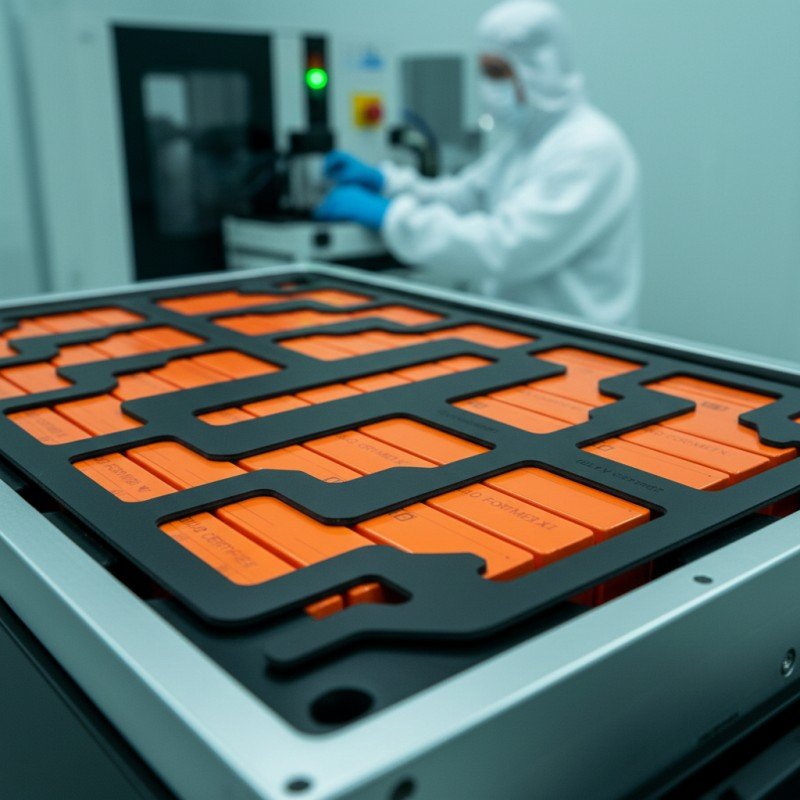
Thermal Management Pads are essential components used to regulate and dissipate heat in electronic and battery systems. They are designed to improve thermal conductivity between heat-generating components and heat sinks or enclosures. These pads play a crucial role in maintaining optimal operating temperatures, ensuring performance stability, and extending the lifespan of devices across industries such as electronics, automotive, and energy storage.
2. Thermal Conductivity Performance
The primary function of Thermal Management Pads is to transfer heat efficiently. Made from high thermal conductivity materials, these pads facilitate rapid heat dissipation away from sensitive components, preventing overheating and maintaining consistent performance during operation.
3. Electrical Insulation Properties
In addition to thermal performance, these pads offer strong electrical insulation. This prevents unintended electrical contact between components while allowing heat to pass through effectively, making them ideal for complex electronic systems.
4. Safety and Flame Resistance
Thermal Management Pads are manufactured using flame-retardant materials that enhance safety during high-temperature operation. In critical situations, they help reduce fire risks and maintain system integrity under thermal stress.
5. Material Durability and Stability
These pads are designed to resist aging, oxidation, and environmental wear. Their durable composition ensures consistent performance over time, even under continuous thermal cycling and harsh operating conditions.
6. Lightweight and Compact Design
The thin and lightweight structure of Thermal Management Pads allows for efficient use of space within devices. This supports compact and high-performance designs without adding unnecessary bulk or weight.
7. Flexibility and Gap Filling Ability
Their soft and compressible nature enables them to conform to uneven surfaces, filling air gaps between components. This ensures maximum surface contact and enhances heat transfer efficiency.
8. Mechanical Protection
In addition to thermal management, these pads provide cushioning that absorbs vibrations and mechanical stress. This helps protect sensitive components during operation and transportation.
9. Customization Options
Thermal Management Pads are available in a variety of thicknesses, sizes, and material compositions. This flexibility allows manufacturers to select the most suitable option for specific applications and performance requirements.
10. Application Areas
These pads are widely used in electric vehicles, battery packs, consumer electronics, LED lighting, telecommunications equipment, and industrial systems. Their ability to manage heat effectively makes them essential in modern high-performance devices.
Conclusion
In conclusion, Thermal Management Pads are vital for maintaining optimal temperature control in advanced electronic and battery systems. Their combination of high thermal conductivity, electrical insulation, flexibility, and durability ensures reliable performance and enhanced safety. By improving heat dissipation and protecting components, they play a key role in extending device lifespan and supporting efficient, high-performance system designs.