Product details
1. Overview
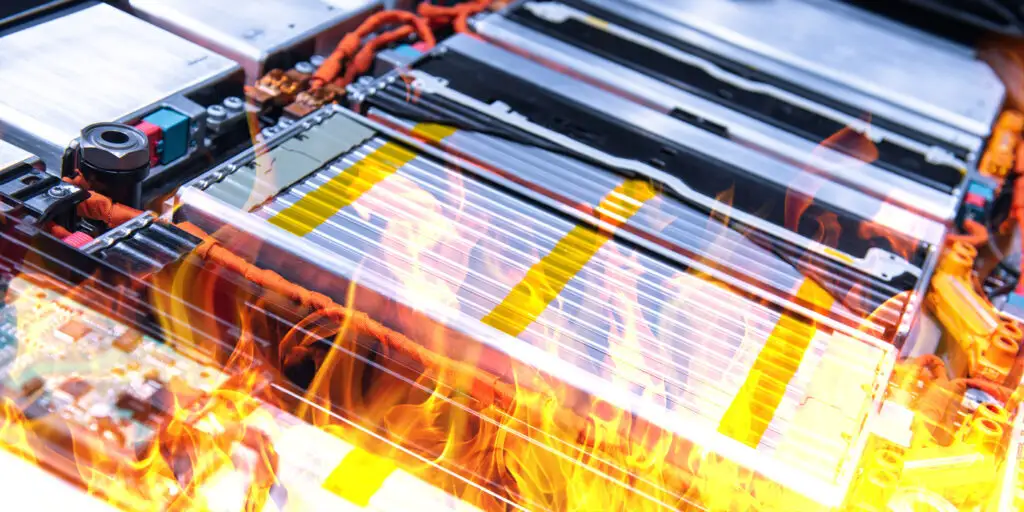
Fire Protection Systems are essential safety solutions designed to detect, control, and suppress fire hazards in various environments. These systems play a crucial role in protecting lives, equipment, and infrastructure across industries such as automotive, manufacturing, energy storage, and commercial facilities. By combining advanced detection technologies with effective suppression mechanisms, they ensure rapid response to fire incidents and significantly reduce potential damage.
2. Detection Technology
Modern Fire Protection Systems are equipped with advanced detection sensors capable of identifying early signs of fire, including smoke, heat, and flame. These sensors continuously monitor environmental conditions and trigger alerts or suppression actions as soon as abnormalities are detected, allowing for immediate intervention before the fire escalates.
3. Suppression Mechanisms
The systems support multiple fire suppression techniques depending on application requirements. These may include gas-based suppression, foam systems, or water mist technologies. Each method is designed to effectively extinguish fires while minimizing damage to surrounding equipment and materials.
4. Automatic Response System
A key feature of Fire Protection Systems is their ability to operate automatically. Once a fire risk is detected, the system activates instantly without requiring manual intervention. This rapid response is critical in preventing fire spread and ensuring safety in high-risk environments.
5. Thermal and Flame Resistance
Constructed using heat-resistant and flame-retardant materials, these systems are designed to function reliably even under extreme temperature conditions. This ensures that the system remains operational during critical moments of a fire emergency.
6. System Integration and Monitoring
Fire Protection Systems can be integrated with centralized monitoring and control platforms. This allows real-time tracking, remote operation, and instant alert notifications, enabling faster decision-making and improved emergency response management.
7. Reliability and Durability
Engineered for long-term use, these systems offer high durability and consistent performance even in harsh industrial environments. They require minimal maintenance while ensuring dependable operation over extended periods.
8. Flexible and Scalable Design
The modular design of Fire Protection Systems allows them to be customized according to specific requirements. Whether for small facilities or large industrial setups, the system can be scaled and configured to provide optimal coverage and protection.
9. Compliance and Safety Standards
These systems are designed in accordance with international fire safety standards and regulations. Compliance ensures reliability, safety assurance, and easier approval for use in regulated industries and applications.
10. Application Areas
Fire Protection Systems are widely used in electric vehicles, battery storage units, manufacturing plants, data centers, commercial buildings, and energy facilities. Their versatility and effectiveness make them a vital component in modern safety infrastructure.
Conclusion
In conclusion, Fire Protection Systems are indispensable for ensuring safety and risk mitigation in modern environments. Their ability to detect fires early, respond automatically, and suppress hazards efficiently makes them a critical investment for any facility. With advanced technology, scalability, and compliance with global safety standards, these systems not only protect valuable assets but also enhance operational confidence and long-term reliability.