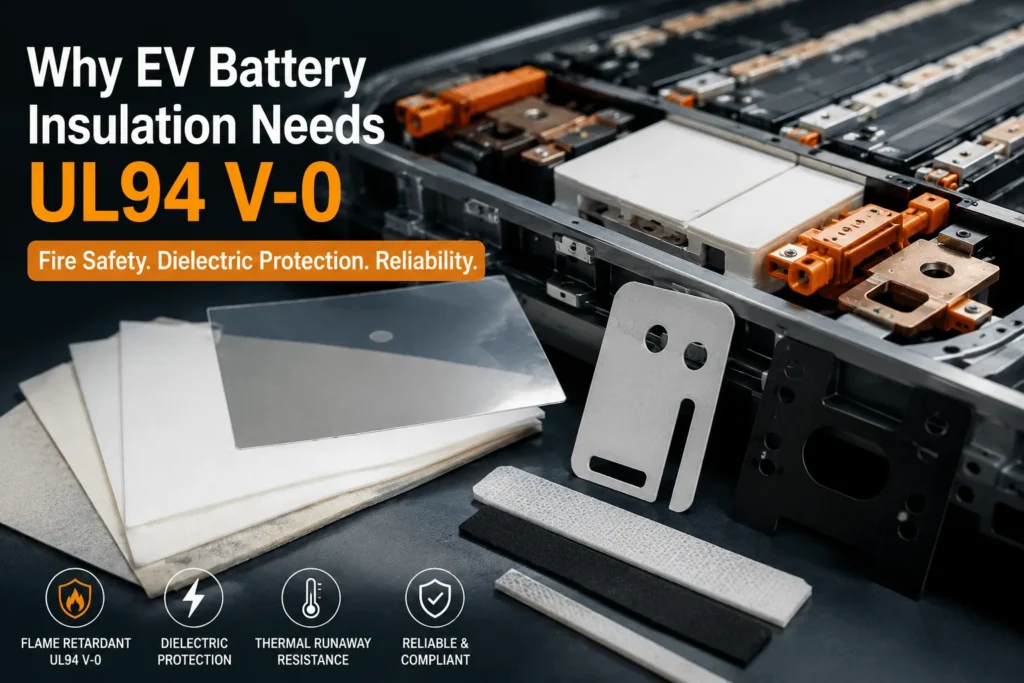
Why Does EV Battery Insulation Need UL94 V-0?
Table of Contents
A thin insulation film may look like one of the least dramatic parts inside an EV battery module. But when a loose connection, damaged cell, or electrical arc creates a local ignition source, will that film stop burning – or become another path for fire to travel? That question is why UL94 V-0 appears so often in battery insulation drawings, supplier specifications, and OEM material approval lists.
EV battery insulation needs UL94 V-0 because the rating verifies that a polymeric insulation material can self-extinguish quickly after a controlled vertical flame exposure and will not produce flaming drips that ignite material below. In a battery module, this helps prevent dielectric barriers, busbar covers, cell separators, and enclosure liners from becoming secondary fuel, while supporting OEM fire-containment and electrical-safety requirements.
| Technical accuracy note
UL94 V-0 is not a complete EV battery safety certification and is not universally required by every law or every battery design. It is a small-scale material flammability classification, normally specified at a stated material thickness and color. OEM, Tier-1, and end-product requirements determine whether V-0, VTM-0, 5VA, another test method, or a system-level battery test is required. |
What UL94 V-0 Actually Means
UL 94 is the Standard for Tests for Flammability of Plastic Materials for Parts in Devices and Appliances. It classifies how polymeric test specimens behave after exposure to a defined ignition source under controlled laboratory conditions. For the 50 W vertical test, specimens are mounted vertically and exposed twice to a 20 mm flame. V-0 is the most demanding of the common V-0, V-1, and V-2 vertical classifications.
To achieve V-0, each specimen must stop flaming within 10 seconds after each flame application; the total flaming time across the specified series of flame applications is limited; flaming plus afterglow after the second application is limited; the specimen must not burn to the holding clamp; and flaming particles must not ignite the cotton indicator below. These criteria matter in vertically oriented or tightly packed electrical assemblies because molten, burning drips can transfer ignition to neighboring polymers, wiring, foams, adhesives, or contamination.
| Rating | Typical test outcome | Flaming drip criterion | Battery design interpretation |
| V-0 | Within 10 seconds per flame application | Not permitted to ignite cotton | Common baseline for higher-risk electrical insulation and internal battery barriers |
| V-1 | Within 30 seconds per application | Not permitted to ignite cotton | May be accepted in lower-risk locations when the end-product specification allows it |
| V-2 | Within 30 seconds per application | Flaming drips may ignite cotton | Usually unattractive near energized battery components or combustible layers |
| HB | Horizontal burning-rate classification | Not the same vertical self-extinguishing test | General plastics; often insufficient for compact high-voltage battery interiors |
| VTM-0 | Thin-material vertical test | No cotton ignition under the VTM method | Useful for non-self-supporting films, but not equivalent to V-0 |
| 5VA | More severe 500 W, repeated flame exposure | No flaming drips; plaque must not form a hole | May be specified for certain enclosures or higher fire-exposure conditions |
The distinction between V-0 and VTM-0 is particularly important for die-cut film buyers. Very thin films that cannot support themselves may be evaluated under the VTM method. UL Solutions explicitly notes that VTM-0 cannot be treated as equivalent to V-0 because the test methods differ. A drawing that simply says “UL94 V-0” should therefore be checked against the actual material form, minimum thickness, and applicable test method before a supplier is approved.
Why EV Battery Insulation Commonly Specifies UL94 V-0
1. The Insulation Should Not Become Secondary Fuel
Battery cells contain large amounts of stored electrochemical energy. During an abnormal event, the first heat or flame may originate from a cell, busbar joint, fuse, connector, contactor, BMS component, or damaged conductor. The insulation cannot always prevent the initiating failure. Its job is to avoid worsening that failure.A non-V-0 polymer can continue to burn after the original ignition source is removed. In a densely packed module, even a small burning component may expose adjacent cell sleeves, tapes, foams, cable jackets, adhesives, and plastic housings. A V-0 material is selected to reduce this secondary contribution: it is designed to self-extinguish quickly in the standardized test and avoid flaming drips. That does not make the material noncombustible, but it gives engineers a defined minimum response to a small ignition source.
2. No Flaming Drips Is a Practical Containment Benefit
Many battery module components are stacked vertically or installed above other combustible layers. A busbar protection film can sit above cell caps; a BMS cover can sit above low-voltage harnesses; a pack lid liner can sit above modules and vent paths. If an insulation sheet melts and produces burning droplets, the fire can bypass the original barrier and ignite a second location.
V-0 and V-1 prohibit flaming drips that ignite the cotton indicator in the standard test, while V-2 permits that outcome. For battery interiors, the no-flaming-drip requirement often provides a clearer engineering reason to choose V-0 over V-2 than the difference in after flame time alone. It helps the material support containment rather than create a new ignition mechanism.
3. It Supports Dielectric Protection Near High-Voltage Conductors
EV battery insulation must manage two linked hazards: fire and electricity. Typical dielectric barriers separate busbars from cell cans, terminals from module frames, high-voltage junctions from covers, and modules from conductive housings. During service, these parts face vibration, compression, edge contact, contamination, thermal cycling, and assembly variation.
A high dielectric strength is essential, but electrical insulation alone does not address ignition behavior. Conversely, a V-0 rating alone does not prove dielectric performance. The correct material specification combines flame classification with dielectric strength, comparative tracking index where relevant, minimum creepage and clearance, mechanical puncture resistance, operating temperature, and environmental aging. V-0 is valuable because it adds a controlled fire-response requirement to the electrical-insulation function.
4. It Helps OEMs Build a Layered Fire-Safety Strategy
Modern battery safety is based on layers rather than a single “fireproof” material. Cell chemistry and vent design reduce the probability and severity of failure. The BMS detects abnormal voltage and temperature. Fuses and contactors isolate electrical faults. Cooling systems control normal heat. Thermal barriers slow cell-to-cell propagation. Enclosures manage gas, flame, impact, and occupant separation. Flame-retardant dielectric parts reduce the chance that supporting polymers accelerate the event.
UL94 V-0 fits into this layered strategy as a component-level material control. It is easy to place on drawings, verify against recognized material data, and audit through incoming inspection and traceability. For a Tier-1 supplier managing hundreds of insulation part numbers, a defined flame class is more actionable than a vague instruction such as “use flame-resistant plastic.”
5. It Reduces Material-Approval and Certification Risk
OEM and end-product certification programs frequently rely on recognized polymer grades with documented minimum thicknesses and color coverage. UL Solutions’ Yellow Card program records tested safety and performance properties and can help end-product manufacturers shorten the path to certain certifications by using recognized components.
For buyers, this means a V-0 claim should be supported by more than a supplier brochure. The procurement package should identify the material manufacturer, exact grade, UL file or Yellow Card where applicable, recognized thickness, allowed colors, and any restrictions. This documentation makes supplier qualification, PPAP review, design validation, and change control more efficient. It also reduces the risk of discovering late in development that the selected film is only V-0 at a thickness greater than the production part.
6. It Aligns With the Industry Shift Toward Stronger Thermal-Propagation Controls
Battery regulations and OEM validation plans are moving beyond simple warning-time concepts toward more demanding control of fire, explosion, smoke, and thermal propagation. China’s mandatory GB 38031-2025 standard became effective on July 1, 2026 and updated battery thermal-diffusion requirements. Global EV programs also use system-level standards and regulations such as UL 2580 and UNECE R100, together with extensive OEM abuse and propagation tests.
This trend does not turn UL94 V-0 into a thermal-runaway test. Instead, it makes basic component discipline more important. When pack-level requirements become stricter, engineers have less tolerance for internal polymeric parts that can sustain flame, drip, shrink away from conductors, or vary unpredictably from lot to lot. V-0 is increasingly treated as the starting line for polymeric insulation near credible ignition sources, not the finish line for battery fire safety.
| Industry insight
The most mature battery programs no longer ask only, “Is the film V-0?” They ask, “Is this exact grade V-0 at our minimum thickness, after converting, with the specified adhesive, in the actual location, after aging, and as part of a design that also passes module- and pack-level abuse tests?” That shift from label-based sourcing to application-based validation is where experienced die-cut suppliers add measurable value. |
Where UL94 V-0 Insulation Is Used Inside an EV Battery
The rating is most relevant where a polymeric insulation component is close to energized conductors, potential arc points, hot surfaces, or combustible materials. The exact requirement depends on the module architecture, cell format, voltage, fault analysis, and OEM specification.
| Component location | Primary hazard | Common material families |
| Busbar covers and terminal barriers | Arc, short circuit, conductive debris, assembly contact | FR polycarbonate film, polypropylene insulation sheet, laminated dielectric film |
| Cell-to-cell and cell-to-frame separators | Can-to-can contact, abrasion, flame spread between narrow gaps | FR film, mica laminate, aramid paper, composite barriers |
| Module sidewalls, end plates, and wraps | Contact with conductive frame; propagation along module perimeter | Formed FR PC/PP sheet, mica-based barrier, coated paper or laminate |
| BMS and sensing-board covers | Electrical component overheating, connector faults, conductive contact | FR PC film/sheet, molded FR PC, dielectric laminates |
| Pack lid and enclosure liners | High-voltage separation, hot gas/flame exposure, condensation contact | FR dielectric film, mica, ceramic or aerogel composite depending on exposure |
| Cable, connector, and service-disconnect barriers | Tracking, chafing, connector overheating, service error | FR film, fishpaper/aramid, molded or formed PC barriers |
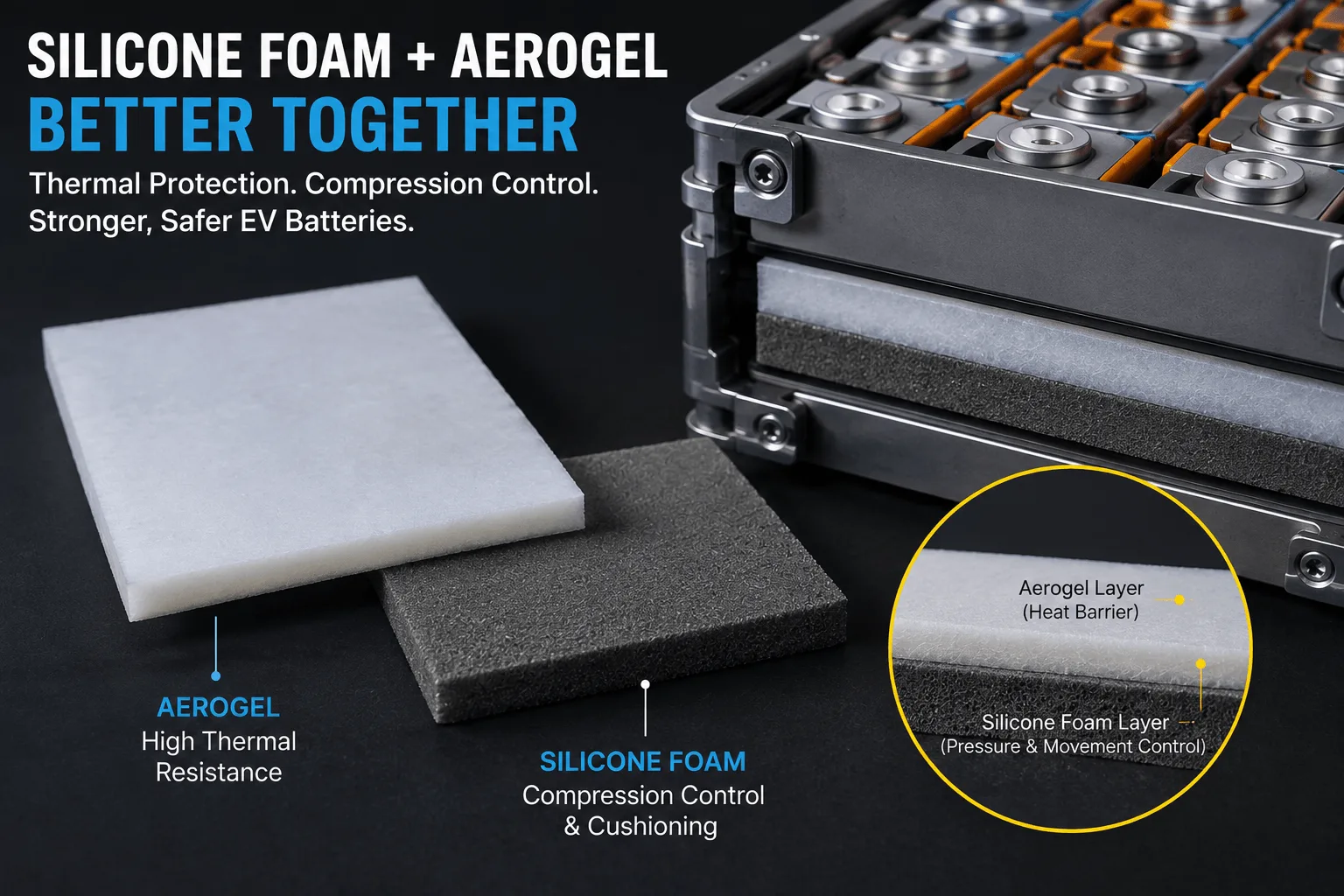
| Thermal barrier assemblies | Delay of heat transfer and cell-to-cell propagation | Aerogel composite, mica, ceramic paper, silicone foam – with separate evaluation of facings and adhesives |
A key design principle is to separate electrical insulation from thermal-propagation performance. A 0.25 mm V-0 film may be excellent for busbar dielectric isolation but provide little resistance to a high-temperature jet from a venting cell. A thicker mica or aerogel composite may delay heat transfer but still require a polymer facing, adhesive, or edge seal whose flammability must be evaluated. The best module designs assign each layer a defined job and then validate the complete stack.
Which EV Battery Insulation Materials Can Meet V-0?
There is no single “UL94 V-0 battery insulation material.” V-0 is a classification achieved by a particular material grade at stated conditions. Material selection must balance flame response with dielectric, mechanical, thermal, processing, weight, cost, and environmental requirements.
| Material family | Why designers use it | What must be verified |
| Flame-retardant polycarbonate film/sheet | Good dielectric performance, toughness, thermoformability, clean die cutting, available V-0 grades | Verify minimum thickness, color coverage, temperature rating, stress cracking, bend radius, and adhesive compatibility |
| Flame-retardant polypropylene insulation sheet | Low density, good foldability, chemical resistance, cost-effective formed barriers | Confirm exact commercial grade and thickness; stiffness and high-temperature performance differ from PC |
| Mica sheet or mica laminate | High dielectric strength and strong resistance to flame and very high temperatures | Binders, facings, adhesives, dust control, brittleness, edge chipping, and bendability can determine production success |
| Aramid paper / electrical insulation paper | Thin, flexible, strong dielectric insulation with good thermal endurance | Flame classification depends on grade and construction; moisture, adhesive, and tear behavior require validation |
| PET or specialty polyester film | Dimensional stability and established electrical use | Standard PET may not meet V-0; use only a documented FR grade where V-0 is required |
| Aerogel composite barrier | Very low thermal conductivity and useful delay of cell-to-cell heat transfer | The blanket, encapsulation film, binder, and adhesive form a system; dust, compression, thickness tolerance, and edge sealing matter |
| Silicone foam / thermal pad / gap filler | Compression management and thermal interface functions | Foam uses different UL 94 classifications in some cases; thermal conductivity, compression set, pump-out, and fire behavior must be specified separately |
Why the Thickness on the UL Record Matters
Flammability behavior changes with thickness. A grade reported as V-0 at 1.5 mm may not be V-0 at 0.5 mm. Thin films heat more quickly, have less material available to form a stable char, and may shrink or melt differently. UL’s plastics resources specifically treat minimum thickness and color as part of the recognition information.
For die-cut insulation, the production drawing should therefore state both the nominal part thickness and the required flame class. The supplier should check that the recognized minimum thickness is equal to or less than the finished insulation thickness. When laminating two layers, do not automatically assume that two individually compliant materials create a compliant laminate. Adhesive chemistry, air gaps, carrier films, print, surface coatings, and orientation can change burning behavior.
Why the Adhesive and Lamination Stack Cannot Be Ignored
Pressure-sensitive adhesive is often added to improve assembly speed and positional control. However, a battery engineer is not buying only a base film; the production part may include adhesive, release liner, protective film, ink, tabs, foam, and local reinforcements. Some adhesive masses are very thin and may be accepted under the end-product evaluation, while others can materially change ignition, smoke, edge flame, or dielectric behavior.
The correct approach is to document the full bill of materials, use recognized or project-approved adhesive systems where required, and conduct representative testing when the stack differs from the recognized base material. For high-risk locations, ask whether the flame can access an exposed adhesive edge, whether a scored fold creates a thin section, and whether a vent jet can peel the laminate apart.
UL94 V-0 Is Essential – but It Is Not Enough
The most expensive specification mistake is treating V-0 as proof that an insulation component is safe in every battery fault. UL Solutions describes UL 94 as a small-scale material test. Its own guidance warns against using UL 94 ratings as a substitute for larger-scale or end-use fire tests. EV batteries require exactly that end-use thinking.
| What V-0 does not prove | Why it matters in an EV battery |
| It does not simulate thermal runaway | A venting lithium-ion cell can release hot particles, flammable gases, sustained flame, and directional jets far beyond the small UL 94 ignition source. |
| It does not prove electrical insulation | Dielectric strength, tracking resistance, creepage, clearance, puncture resistance, and aging must be specified separately. |
| It does not certify the finished battery pack | Pack and vehicle compliance is evaluated under applicable standards, regulations, and OEM test plans. |
| It does not cover every thickness or color | The recognized rating is tied to documented conditions. Material substitutions require formal review. |
| It does not guarantee low smoke or low toxicity | Smoke density, corrosivity, and toxic combustion products are separate considerations when the project requires them. |
| It does not validate converted geometry | Holes, notches, folds, formed corners, exposed adhesive, and very narrow webs may respond differently from standard specimens. |
| It does not prove long-term durability | Thermal aging, coolant exposure, humidity, vibration, compression, and contamination can degrade insulation performance. |
A robust specification uses V-0 as one requirement within a material-property matrix. The matrix may also include dielectric breakdown voltage, insulation resistance, CTI, RTI or long-term temperature rating, tensile and tear strength, puncture resistance, chemical compatibility, moisture absorption, dimensional change, thermal conductivity, compression set, outgassing, halogen restrictions, RoHS/REACH documentation, and traceability. The required combination depends on the component location and failure mode.
How Precision Die Cutting Affects Fire and Electrical Performance
After a material grade is approved, converting quality determines whether the production part delivers the intended protection. Battery insulation parts are rarely simple rectangles. They include slots for tabs, windows for sensors, holes around fasteners, kiss-cut adhesive zones, folded walls, registration features, and tight clearances around busbars.
Edge Quality and Burr Control
A rough, fractured, or contaminated edge can reduce effective clearance, create a path for tracking, or interfere with assembly. Brittle materials such as mica require tooling and handling methods that limit cracks and particle shedding. Thermoplastic films require control of blade condition, heat, and web tension to avoid raised edges, stringing, or distortion.
Dimensional Tolerance and Positional Accuracy
A V-0 film protects nothing if a hole is shifted and exposes a busbar edge. The tolerance must be linked to the electrical safety margin, not selected only from a generic die-cutting capability chart. Critical-to-safety dimensions should be identified on the drawing, measured with suitable vision equipment, and controlled through capability studies and lot traceability.
Folds, Scores, and Thermoformed Features
Three-dimensional insulation saves assembly time and improves coverage, but forming can thin the material at corners or create residual stress. A deep draw or tight score line may reduce local thickness below the recognized minimum. DFM review should identify minimum formed thickness, inside bend radius, grain or extrusion direction, springback, and crack risk before tooling is released.
Cleanliness and Foreign-Object Control
Metal particles, conductive dust, and adhesive debris can undermine a dielectric barrier. Controlled-environment converting, clean packaging, liner management, and final inspection are especially important for cell-top and busbar components. Cleanliness is not part of the UL94 rating, but it is central to the reason the insulation exists.
Change Control
A supplier should not replace the resin grade, color, adhesive, carrier, release liner, or material manufacturer without approval. Even a visually identical substitution can carry a different flame class, minimum thickness, RTI, or dielectric performance. Automotive APQP and PPAP processes are valuable because they turn the material identity and converting process into controlled production characteristics.
| Procurement insight
The lowest quoted price per piece is not the lowest program cost if the quote omits recognized-grade traceability, adhesive-stack validation, dimensional capability, inspection data, packaging controls, or engineering change discipline. For safety-critical insulation, compare suppliers on the cost of approved, repeatable performance – not only on the cost of a die-cut shape. |
A Practical UL94 V-0 Specification Checklist for Battery Engineers
Use the following checklist before releasing an RFQ or approving a production insulation part. It helps prevent the common situation in which a supplier quotes a generic “V-0 material” that does not match the drawing, thickness, or end-use requirement.
- Define the part location and credible ignition exposure: busbar, cell cap, BMS, enclosure, thermal barrier, or service disconnect.
- State the exact required classification: UL94 V-0, VTM-0, 5VA, or another project-specific test – do not write only “flame retardant.”
- Specify nominal and minimum finished thickness, including any formed or scored areas.
- Require the exact material manufacturer and grade, not only a generic polymer name.
- Request the UL file/Yellow Card or equivalent supporting report when the requirement relies on recognized material data.
- Verify the recognized thickness and color cover the production configuration.
- List the full laminate stack: base film, adhesive, foam, coating, print, protective layer, and any reinforcement.
- Specify dielectric strength, insulation resistance, CTI, temperature rating, and creepage/clearance requirements as applicable.
- Define chemical exposures: electrolyte, coolant, cleaning agent, adhesive primer, humidity, salt, or automotive fluids.
- Identify critical dimensions and true position requirements around terminals, busbars, and fasteners.
- Define edge quality, particle limits, cleanliness, and packaging requirements.
- Require sample validation using production-intent material and production-intent converting processes.
- Include aging, vibration, compression, thermal cycling, and assembly testing where the failure analysis requires them.
- Establish material and process change-notification requirements.
- Connect component validation to module- and pack-level abuse, propagation, and fire tests.
Common Buying Mistakes to Avoid
Mistake 1: Accepting “V-0” without a thickness. Ask for the minimum recognized thickness and compare it with the minimum finished thickness on the part. Nominal thickness is not enough when forming or tolerance can create thinner zones.
Mistake 2: Confusing VTM-0 with V-0. Use the classification required by the material form and end-product standard. Do not substitute one because the names look similar.
Mistake 3: Assuming a noncombustible core makes the laminate compliant. A mica or aerogel core may perform well at high temperature, while the polymer facing or adhesive becomes the weak link. Evaluate the complete construction.
Mistake 4: Selecting only by dielectric breakdown voltage. A high initial breakdown result does not address flame, tracking, abrasion, edge exposure, or long-term aging.
Mistake 5: Testing a flat coupon but producing a formed part. Validate critical geometry, especially thinned corners, score lines, narrow bridges, and exposed adhesive edges.
Mistake 6: Treating the datasheet as change control. Require lot identity, certificates, incoming verification, and formal notification before substitutions.
Mistake 7: Over-specifying V-0 without understanding the location. V-0 is often justified, but the correct test and material should come from the hazard analysis and end-product requirements. Over-specification can add cost or compromise other properties without improving system safety.
How Boost Insulation Supports UL94 V-0 Battery Insulation Projects
For EV battery buyers, the useful supplier is not simply a shop that can cut a flame-retardant sheet. The supplier must connect material documentation, DFM, precision converting, inspection, traceability, and fast engineering feedback. Boost Insulation positions its manufacturing around EV battery module insulation, flame-retardant PC films, thermal-management materials, and custom die-cut components.
Based on the company’s published capabilities, engineering support can include material selection, DFM review, in-house tooling, laminating, slitting, rotary die cutting, cleanroom production, AOI or dimensional inspection, APQP/PPAP support, and lot-to-lot traceability. The website also states sample delivery within 48 hours and precision converting tolerances down to +/-0.05 mm for suitable parts. Actual tolerance, lead time, and documentation should be confirmed against each drawing and material stack.
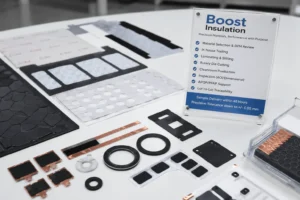
For a productive technical review, send the CAD or PDF drawing together with the application voltage, component location, required UL94 classification, nominal and minimum thickness, adhesive requirement, annual volume, target SOP date, and any OEM material specification. A complete RFQ allows the engineering team to identify whether the proposed material is recognized at the required thickness, whether a formed geometry creates local thinning, and whether an alternative construction can reduce cost without reducing safety margin.
| Request a project review
Upload your insulation drawing and material requirement at boostinsulation.com. Include the required UL94 rating, finished thickness, adhesive stack, critical dimensions, annual demand, and validation standard. Boost Insulation can review manufacturability, propose production-intent materials, and prepare rapid prototypes for module testing. |
FAQ: EV Battery Insulation and UL94 V-0
Is UL94 V-0 legally required for every EV battery insulation part?
No. The requirement depends on the market, end-product standard, OEM specification, component location, and hazard analysis. Many OEMs and Tier-1 suppliers use V-0 as a baseline for polymeric insulation near high-voltage or credible ignition sources, but it is not a universal law for every part.
Does UL94 V-0 mean the material is fireproof?
No. V-0 means the material met defined self-extinguishing and dripping criteria in a small-scale vertical test. It can still decompose, char, smoke, or burn under a larger or sustained heat source. Thermal-runaway exposure requires separate system-level validation.
What is the difference between UL94 V-0 and VTM-0?
V-0 is obtained using the vertical test for self-supporting specimens. VTM-0 is a different vertical test for thin materials that generally cannot support themselves. UL Solutions states that VTM-0 is not equivalent to V-0.
Can a V-0 PC film replace mica or aerogel in a battery module?
Not automatically. FR PC film is effective for dielectric isolation, formed covers, and flame-retardant barriers. Mica and aerogel composites are often chosen for much higher temperature exposure or thermal-propagation delay. The materials perform different jobs and may be used together.
Does the adhesive also need UL94 V-0?
The answer depends on the end-product evaluation and the amount, exposure, and configuration of the adhesive. Do not assume the base film rating automatically covers the finished laminate. Document the adhesive and validate the complete stack when required.
How do I verify a supplier’s V-0 claim?
Request the exact material manufacturer and grade, UL file or Yellow Card where applicable, minimum recognized thickness, color coverage, and supporting test documentation. Confirm that the production part uses the same controlled material and that substitutions require approval.
Is V-0 enough for battery thermal propagation protection?
No. V-0 addresses response to a controlled small flame. Thermal propagation protection depends on heat flux, vent-gas behavior, barrier thermal conductivity, thickness, compression, edge sealing, spacing, enclosure design, and module- or pack-level testing.
What information should I send for a die-cut insulation quote?
Send a 2D/3D drawing, material or performance specification, UL94 requirement, thickness, adhesive zones, critical tolerances, cleanliness requirement, sample quantity, annual volume, and target production date. Identify the exact battery location and expected temperature or chemical exposure.
Conclusion: V-0 Is a Baseline for Controlled Risk
EV battery insulation needs UL94 V-0 when the design requires a polymeric barrier that will not continue burning or create flaming drips after a small ignition source is removed. That behavior is important around busbars, terminals, BMS electronics, cell tops, and conductive enclosures because the insulation should isolate the fault – not spread it.
The strongest engineering decision, however, is not simply to add “V-0” to a drawing. It is to specify the exact grade, minimum thickness, color, laminate stack, dielectric properties, geometry, aging conditions, and change controls that make the rating relevant to the production part. Then the component must be validated as one layer within the module and pack safety architecture.
For OEMs, Tier-1 suppliers, battery module integrators, and energy-storage manufacturers, this application-based approach reduces approval risk, improves traceability, and produces more meaningful supplier comparisons. It also creates a clearer path from CAD drawing to production-intent sample, PPAP documentation, and reliable high-volume delivery.
| Need a UL94 V-0 Die-Cut Insulation Part for Your EV Battery?
Send your drawing, material specification, and target thickness for a DFM and material review. Production-intent samples can be prepared for fit, dielectric, assembly, and battery-module validation. |
Recommended Internal Links for Publication
- EV Battery Module Insulation
- FlamUL94 V0 PC Films
- EV Battery Modules Solution
- Contact / Request a Quote
- Retardant Polycarbonate
Suggested Secondary Keywords
UL94 V-0 battery insulation, EV battery flame retardant insulation, die-cut battery insulation, flame retardant PC film for EV batteries, battery module insulation material, busbar insulation film, EV battery dielectric barrier, thermal runaway insulation barrier
Technical Sources and Editorial References
- UL Standards & Engagement, UL 94 – Tests for Flammability of Plastic Materials for Parts in Devices and Appliances, Edition 7; official catalog page (active standard, revised July 2, 2026). Source
- UL Solutions, Combustion (Fire) Tests for Plastics – V-0, V-1, V-2, VTM, HB and 5V methods and criteria. Source
- UL Solutions Code Authorities, Understanding UL 94 Rating Certifications and Limitations – small-scale test scope and limitations. Source
- UL Solutions, Yellow Card Plastics Recognition Program – recognized material properties and supplier/OEM benefits. Source
- UL Solutions, Plastics Recognition Program Webinar Series – thickness recognition, colors, flame ratings, dielectric strength and CTI topics. Source
- UL Solutions, EV Battery Abuse, Fire, Thermal and Performance Testing – UL 2580, GB 38031, UNECE R100 and battery enclosure material evaluation. Source
- State Administration for Market Regulation, China, GB 38031-2025 – Electric vehicles traction battery safety requirements; effective July 1, 2026. Source
- Boost Insulation – published EV battery insulation, UL94 V-0 material, die-cutting, prototyping, quality, and traceability capabilities. Source
| Editorial / compliance disclaimer
This article is technical marketing content, not a certification decision or legal opinion. Applicable requirements must be confirmed with the vehicle OEM, Tier-1 customer, certification body, test laboratory, and the current edition of the relevant standard. Material ratings and supplier capabilities should be verified for the exact production grade, thickness, color, construction, and manufacturing site. |
Related Posts:
How Does Silicone Foam Work With Aerogel Barriers?
What Are the Main Components Inside an ESS Storage Solution?
How Does Cell-to-Cell Thermal Barrier Improve ESS Safety?
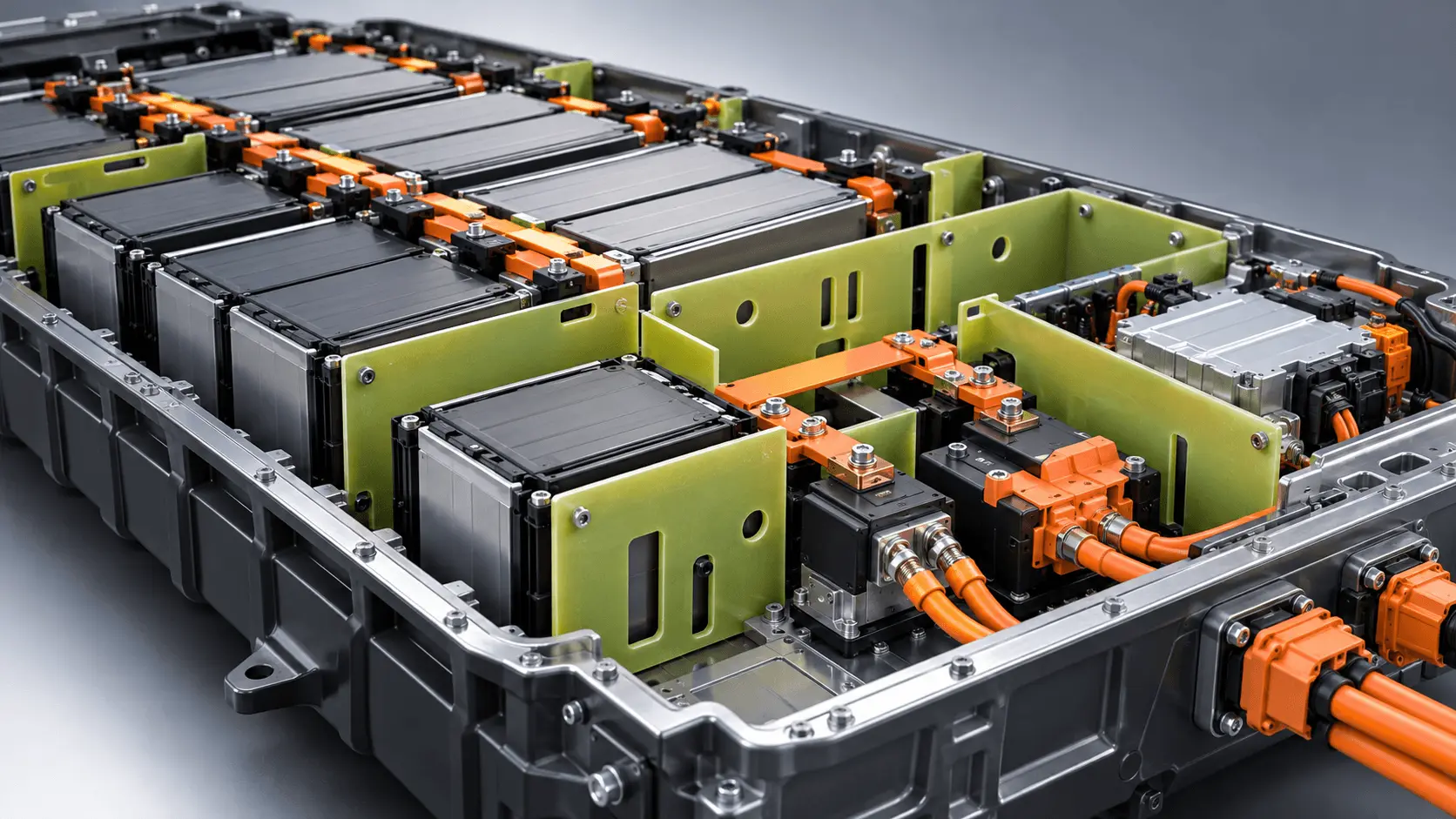
Why Use FR4 as Rigid Insulation in EV Battery Packs?
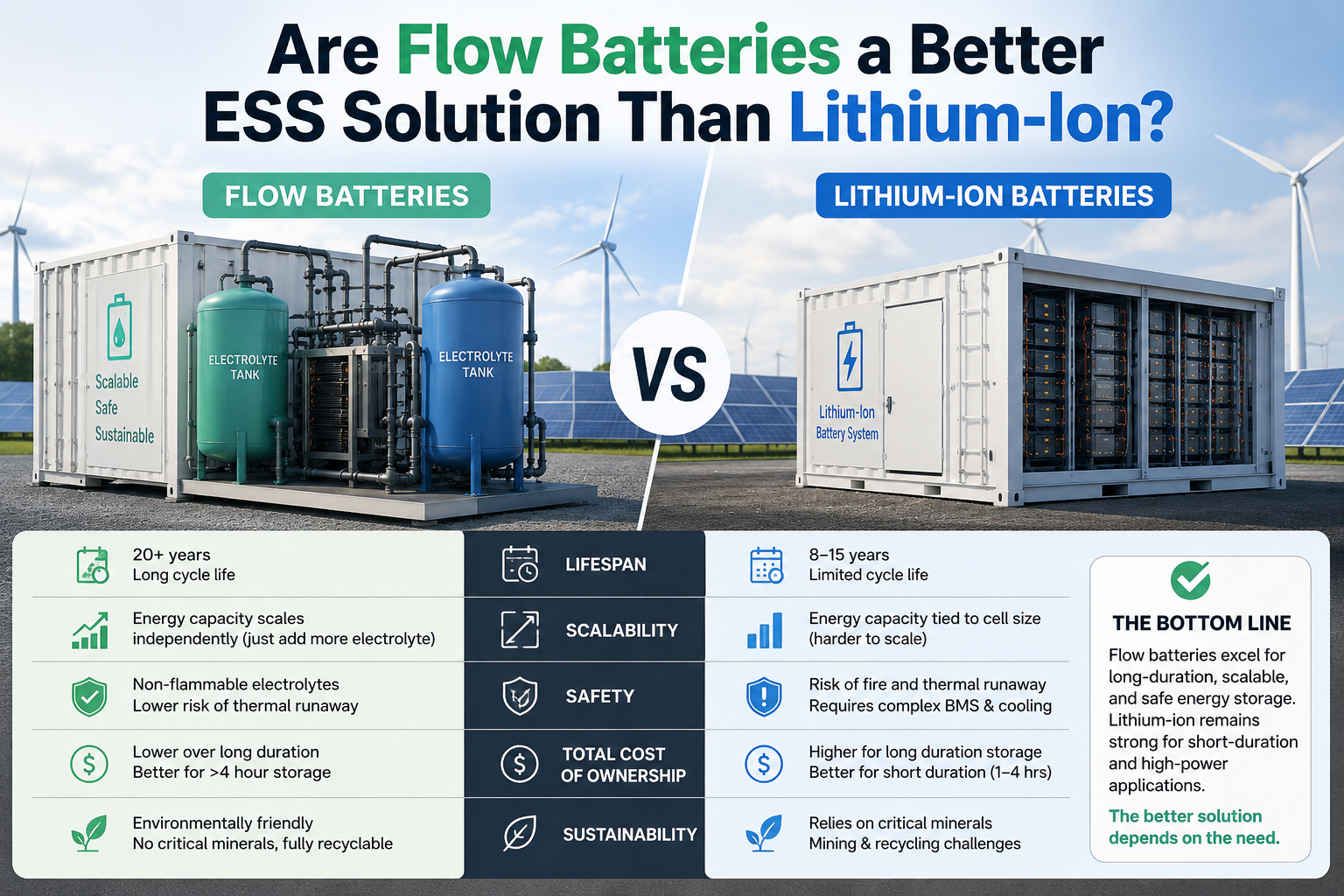
Are Flow Batteries a Better ESS Solution Than Lithium-Ion?
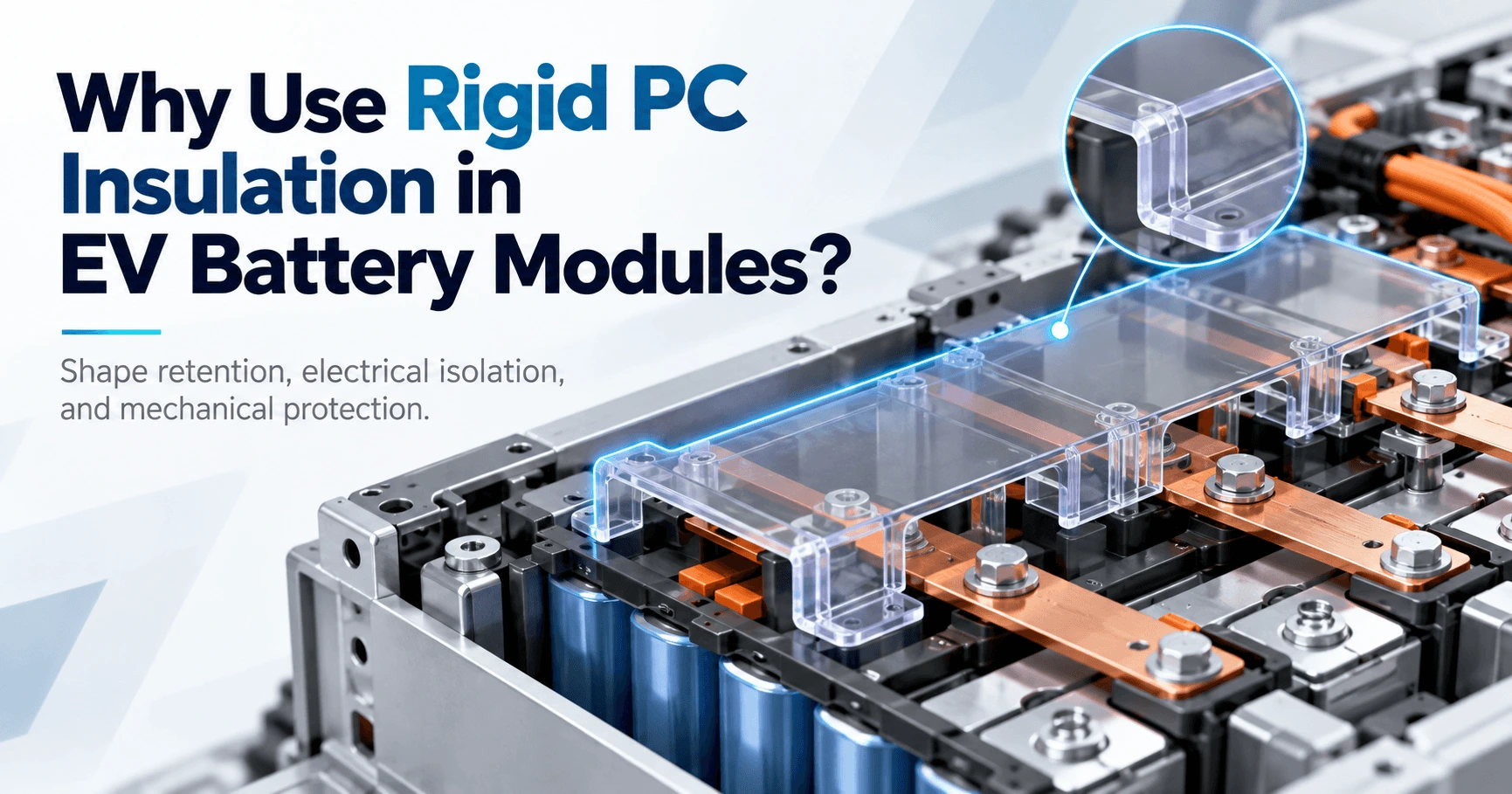
Why Use Rigid PC Insulation in EV Battery Modules?
 betty wong